



Understanding the Basics
Building Types We Offer:
Our buildings are as flexible as the people who use them. Whether you’re protecting a prized
vehicle or expanding a growing business, we’ve got a structure that fits.
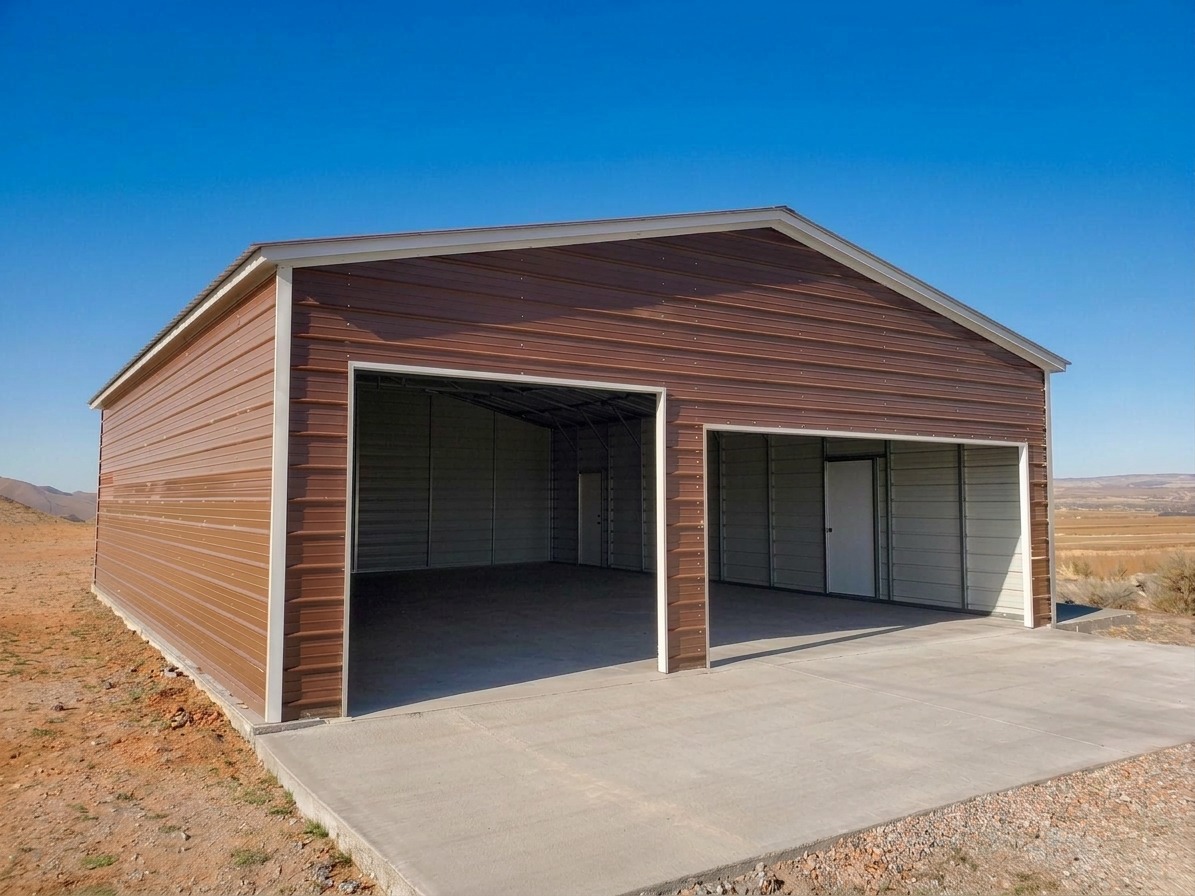
Garages
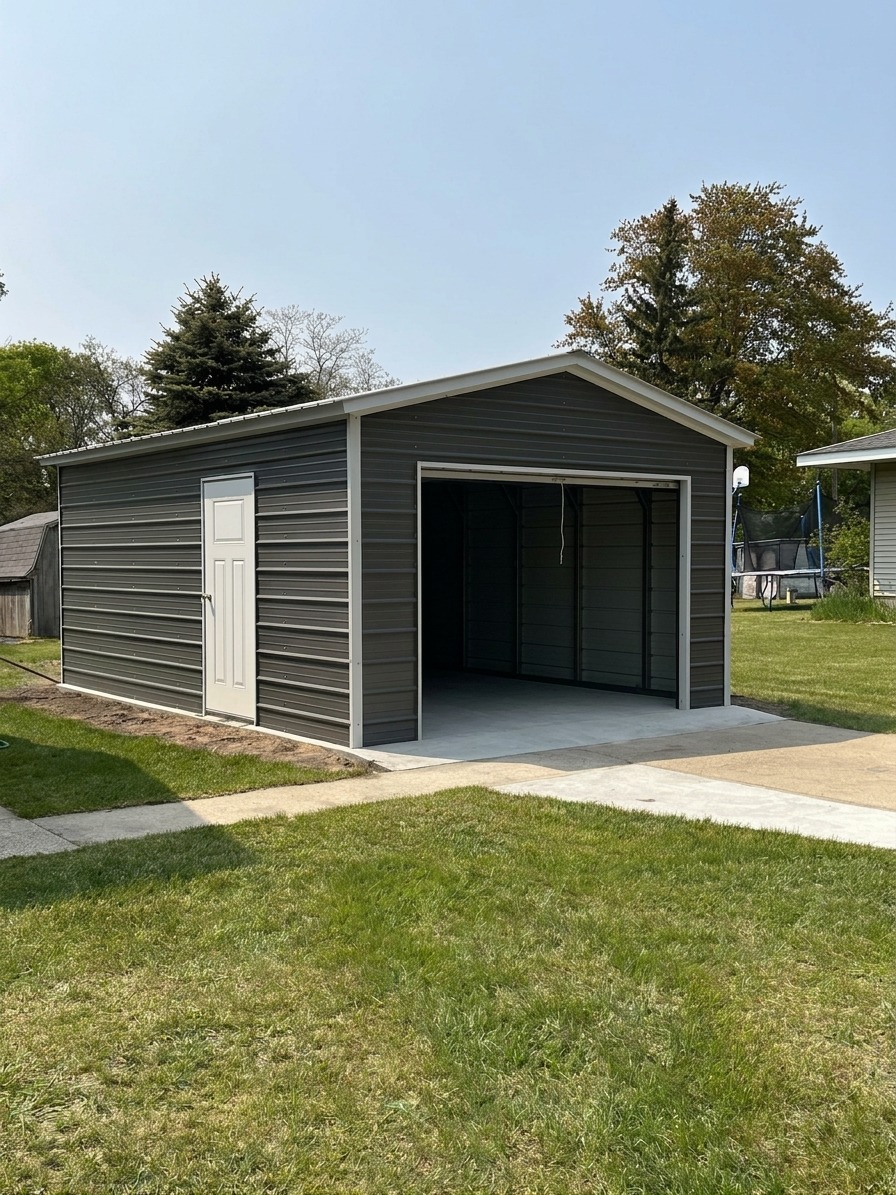
Sheds
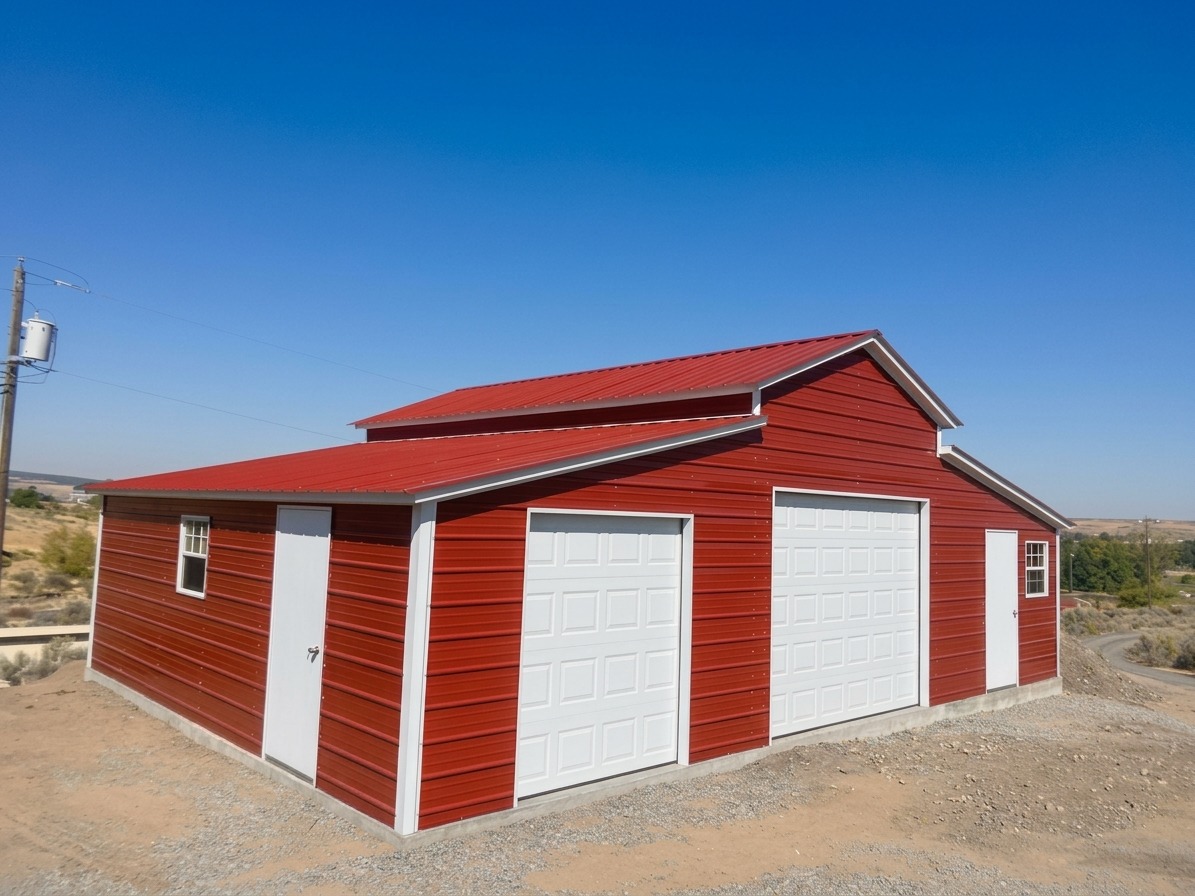
Barns
Carports
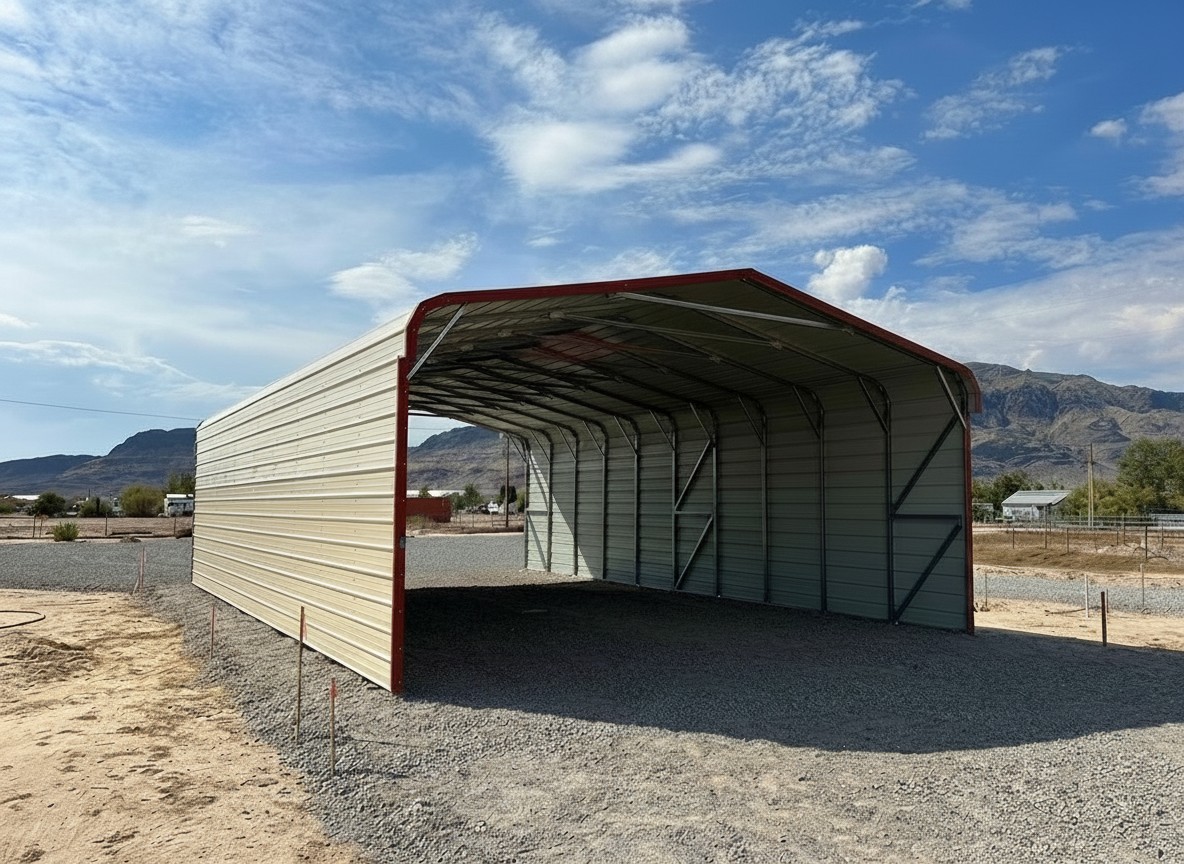
RV Carports
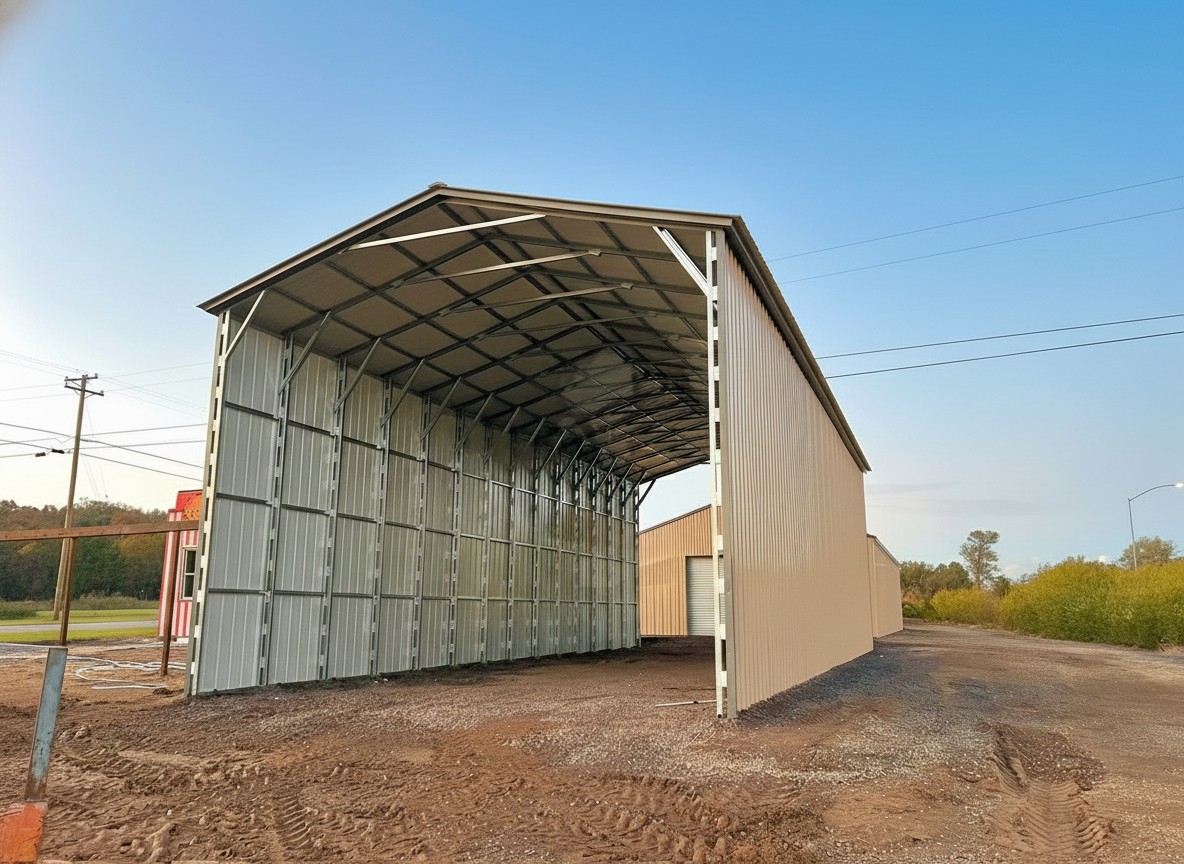
Commercial Scale Structures
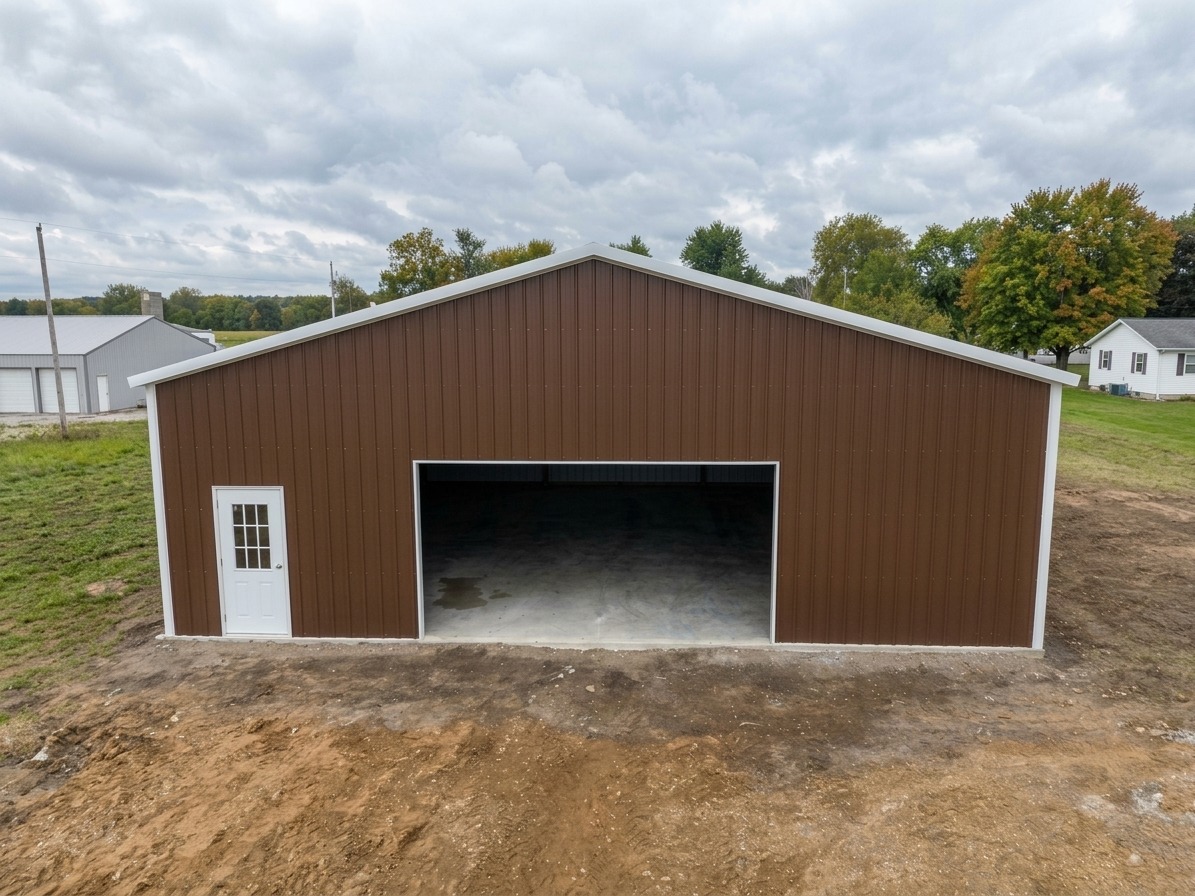
Common Uses:

Protect Vehicles, RVs, or Equipment

Add Secure Storage or Enclosed Workspace

Expand Agricultural or Commercial Setups
Roof Styles Available:
Standard Frame
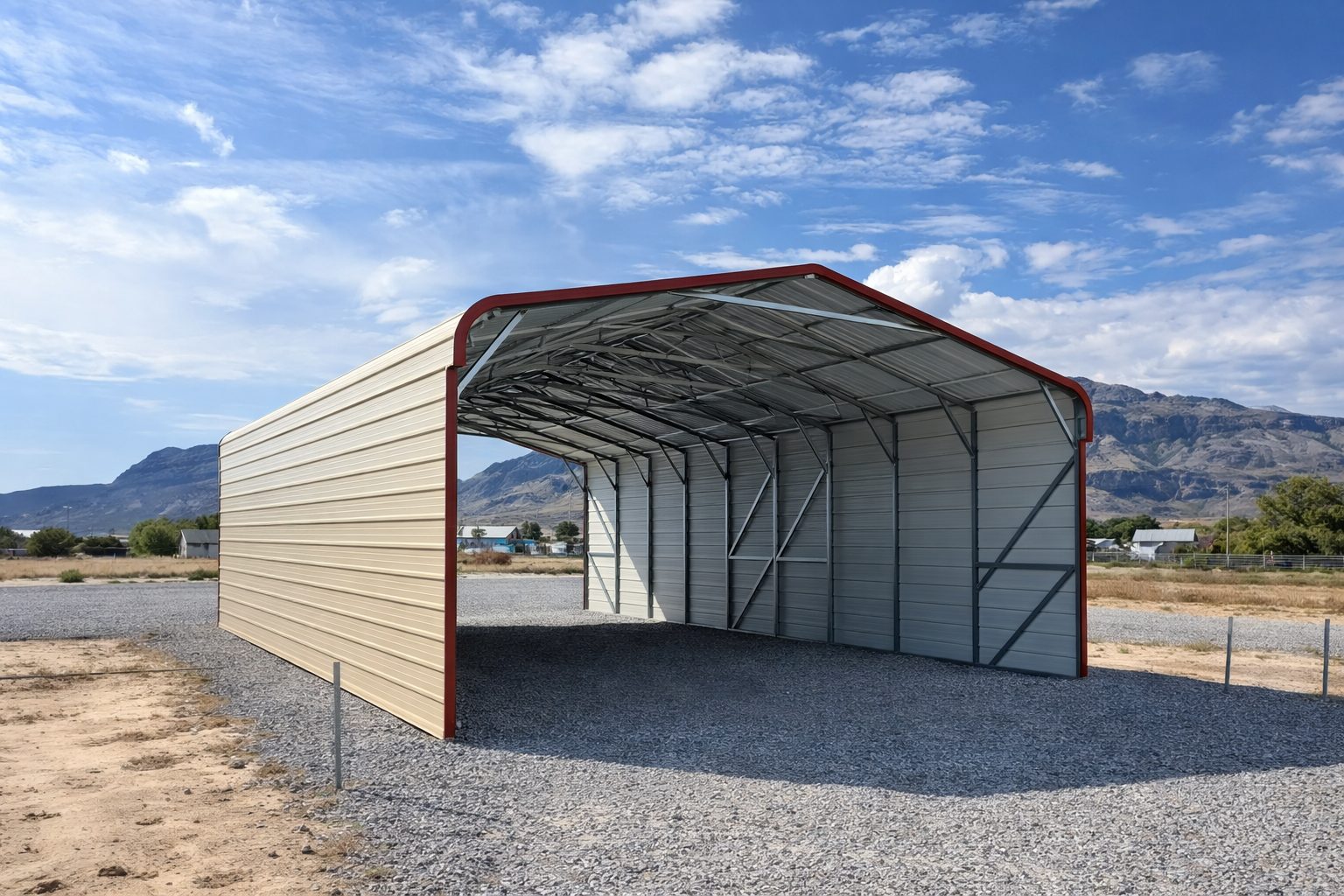
A-Frame (Horizontal)
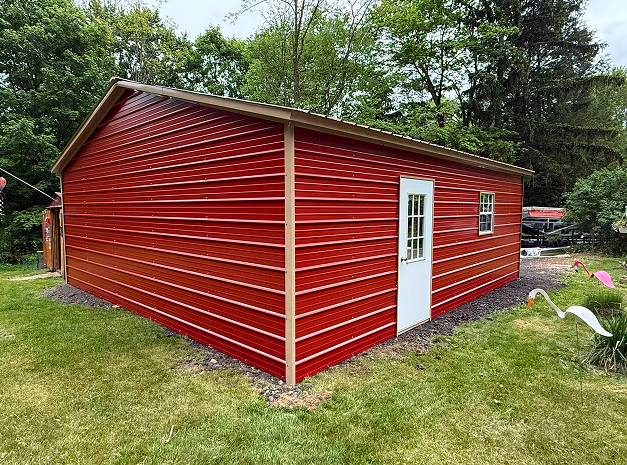
A-Frame (Vertical)
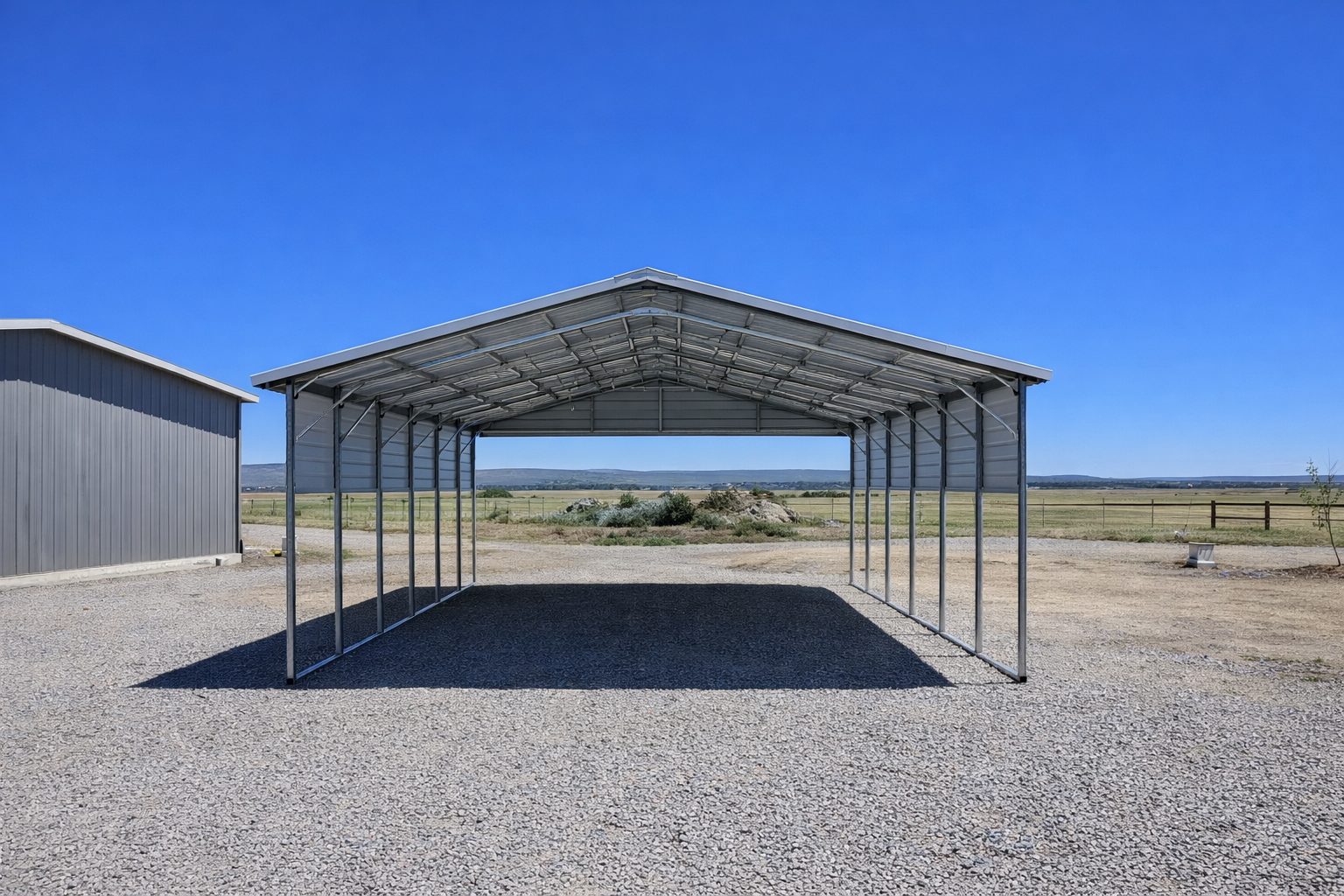
Site Planning & Preparation
Before we build, we plan to fit.

Sizing & Setup

Surface Options

Things to Know
Permits & Local Codes
No hidden costs. No permitting headaches.
Building codes and permitting requirements can vary widely depending on your city, county, or zip code—but you don’t have to figure it out alone. We’ll walk you through what’s needed, if anything, and provide engineered drawings for most areas. In regions with stricter regulations, like those requiring snow or wind load certification, we’ll make sure your structure is fully compliant and ready to pass inspection.
Customization Options
Build for Today, Stand for Tomorrow.
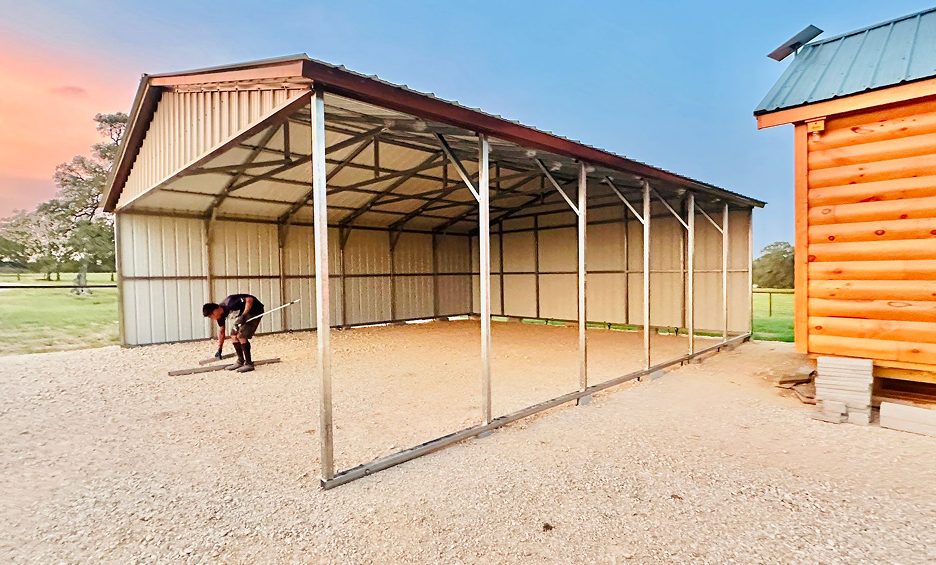
Whether you want your building to blend in or stand out, we offer dozens of durable panel and trim color options to match your home, brand, or personal style. Every structure can be tailored with window placement, roof style, interior layout, and upgrades like lean-tos, insulation, or frame-outs, so it looks right and works right, too.
Installation Process
Installation done right.
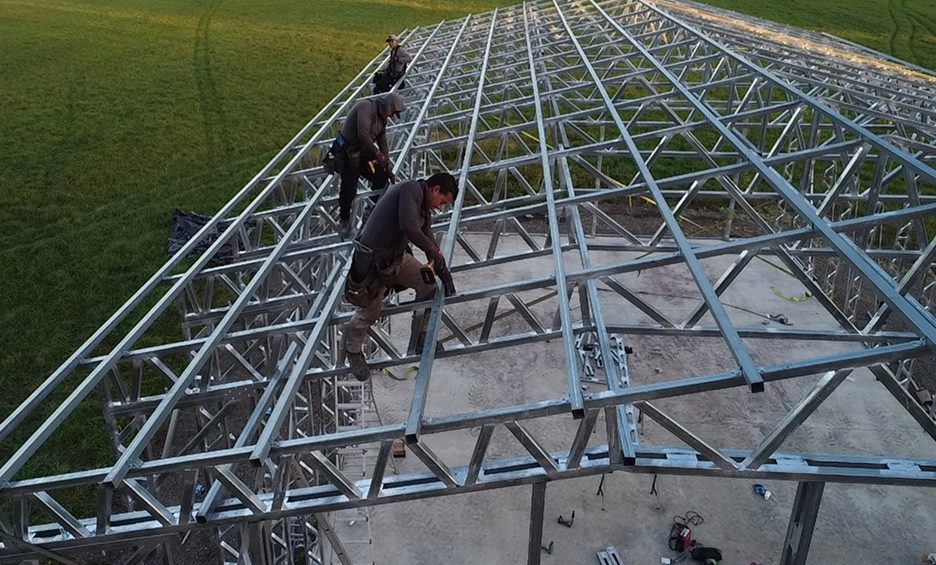
Delivery and setup are included in every quote, so there are no surprise fees down the line. Most small buildings can be installed in just a few hours, while larger or more complex builds typically take one to three days. To keep things running smoothly, your site must be clear, level, and fully prepped on the day of delivery. Our certified crews handle everything from start to finish with no guesswork or runarounds. And if you’re in a state with extra requirements like California, Florida, New York, or Colorado, rest assured; we’ve got those covered, too.

Financing Options
Straightforward plans. No pressure.
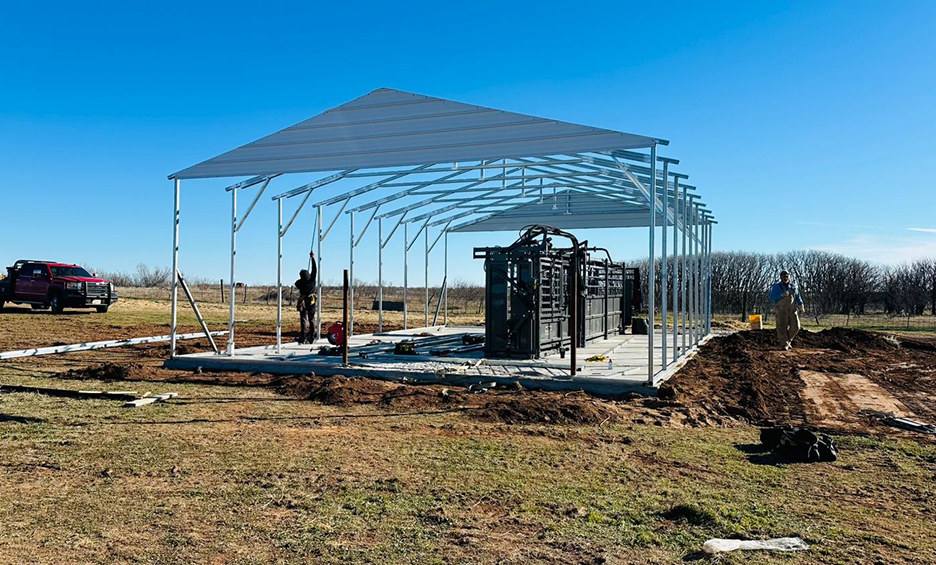
We offer flexible financing to make getting started easier. Rent-to-own options are available, along with credit-based financing for both residential and commercial projects. Every plan comes with clear terms, no hidden fees, and a fast, straightforward application process.
Aftercare & Warranty
We don’t walk away after the sale.
Our commitment doesn’t end when the last panel goes up. Every structure includes a manufacturer warranty, and our team stays available to support you with repairs, documentation, or post-install questions. If something doesn’t feel right, we’ll help make it right.
FAQs
Planning & Product Choices
- What roof style should I choose (standard vs A-frame horizontal vs A-frame vertical)?
A-frame can be horizontal or vertical panel run. A-frame vertical is commonly recommended for snow and higher performance.
- When do you recommend going “all vertical”?
Legacy commonly recommends all vertical on longer buildings to reduce leak risk and meet engineering expectations (your regional flyers also reinforce “go vertical” messaging).
- 14-gauge vs 12-gauge framing: what’s the real difference?
14-ga is more economical and is tied to workmanship coverage; 12-ga is heavier-duty and includes a longer rust-through framing warranty (tubing only).
- Can I choose a stronger panel system than “standard”?
Yes. AG panels (standard) and PBR panels (strongest option), with PBR available only in certain shop service areas and priced as an upcharge.
- What is PBR and when is it worth it?
PBR is a purlin-bearing rib panel with a taller rib profile. It’s worth considering when panel strength is a priority (wind/hail exposure, premium build intent).
- What is a brush seal and is it worth it?
Brush seal kits reduce air infiltration, insects, condensation issues, and dust/debris entry (popular for garage/shop use).
- Can I add skylight panels?
Some regions offer polycarbonate skylight/sidelight panels for vertical units; they are not recommended for snow loads
Permits, Engineering, and Scheduling
- Do you provide engineered drawings if my city requires them?
Yes—engineered drawings are available when required; if plans are required, engineering is processed before permitting.
- How long do engineered plans take?
3–18 business days, depending on the plan type and jurisdiction.
- Who is responsible for permits?
The customer obtains permits and provides copies when required.
- What can delay scheduling the most?
Site readiness and weather are major factors, along with permits, concrete cure time, and build type (standard vs wide-span).
Site Prep & Concrete
- How level does my site need to be?
Land must be level to ensure proper installation, and unlevel sites can trigger extra charges.
- How much space should I leave around the building for installation?
At least 3′ around the unit for install access.
- Any concrete tips for roll-up doors?
We recommend a recess (a cut in the slab at the roll-up door) to reduce water entry and allow the door to close past interior floor level.
- Do customers install anchors themselves?
Customers/general contractors will not install anchors—Legacy installs the anchors.
Insulation & Ventilation
- What insulation options do you offer?
Thermal insulation (reflective style) and fiberglass. Both maintain the key limitation: vertical systems only.
- What’s the “vertical-only” rule for insulation?
Insulation is only available on A-frame vertical roofs and vertical siding (not on standard roof or A-frame horizontal systems).
Structural Add-Ons & Wind/Snow Conditions
- When is diagonal bracing required?
When the unit is taller than 12′ or higher, in 120mph winds and greater, or when partially enclosed (and lists applicable states).
- Do wide-span builds have extra requirements?
Yes—Legacy requires equipment and diagonal bracing for wide-span buildings, and wide-span orders commonly involve special plans/calculations depending on width and permitting.
Warranty & Aftercare
- What do the warranties cover, in plain English?
Our Manufacturer warranty info includes workmanship coverage for installation defects, a 12-ga framing rust-through warranty (tubing only), and a wind warranty that depends on proper anchoring. It also lists exclusions (panel damage, water under base rail/doors, certain leak scenarios, etc.).
- How do I submit a warranty/repair request?
Simply submit requests containing contract/order name or order number, install date, city/state, a clear description, and photos of the issue.
- Do modifications affect warranty?
Manufacturer warranty states modifications can void warranties; if you plan interior build-out, confirm before proceeding.

